Cruelty Free Animal Rights Graphic Embroidery Review
As a designer who spends more time troubleshooting stitch errors than admiring finished products, I approach every new embroidery file with a healthy dose of skepticism. The market is flooded with digital assets that look beautiful on a screen but turn into tangled messes under the needle. When I first pulled up the Cruelty Free Animal Rights Graphic, my immediate question was not about the message, but about the mechanics. Can this design actually hold up in a real-world production environment? Does it translate well from an SVG preview to a stitched reality?
This review breaks down exactly how this design performs when moved from your computer screen to your embroidery hoop, specifically for those of us running small businesses, selling on Etsy, or creating high-end handmade gifts.
First Impressions and Visual Personality
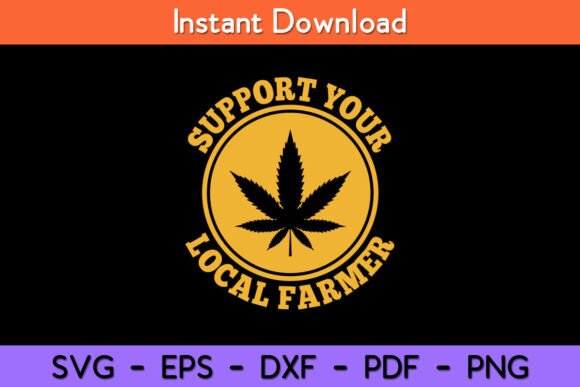
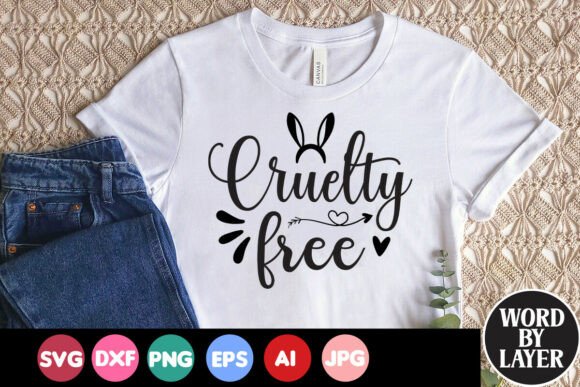
The Cruelty Free Animal Rights Graphic carries a distinct retro aesthetic. In the world of machine embroidery, "retro" can be a double-edged sword. It often implies bold shapes and simplified details, which is generally good for stitching, but it can also feel dated if not executed with care. Here, the mood is warm yet assertive. The layout feels balanced, avoiding the cluttered look that plagues many activist-themed designs.
Visually, the design relies heavily on strong outlines and clear negative space. This is crucial for machine embroidery design because it dictates how the eye moves across the finished product. The shapes are chunky enough to be recognizable even at smaller scales, yet detailed enough to convey emotion without requiring microscopic precision. It feels like a design meant to be worn with pride, not just displayed quietly.
For Etsy sellers and craft business owners, this visual clarity is a major asset. Customers scrolling through mobile devices need to see what they are buying instantly. A design that remains legible at thumbnail size is a design that sells. The graphic’s personality fits naturally into the current trend of conscious consumerism, making it highly relevant for today’s market.
Real-World Application: From Screen to Stitch
I tested the concept of this design across several common handmade product categories to see where it shines and where it might struggle. The goal is to determine its versatility as a commercial embroidery asset.
- Tote Bags: This is perhaps the strongest use case. A tote bag design featuring animal rights messaging is a staple for farmers markets and eco-conscious boutiques. The graphic’s bold nature stands out against canvas textures, and the retro vibe appeals to the demographic most likely to carry reusable bags.
- Sweatshirts and Apparel: For sweatshirt embroidery, the design works well on the chest or back. However, you must consider the fabric weight. Heavy cotton blends provide a stable base for the stitches, ensuring the stitch density doesn’t pucker the garment. It creates a professional, boutique-level finish that justifies a higher price point.
- Baby Items: While the message is serious, the style is soft enough for baby embroidery. Think onesies or nursery wall hangings. Parents looking for meaningful, values-driven gifts will appreciate the gentle yet firm tone of the graphic. It transforms a simple bib into a statement piece.
- Holiday Gifts: Despite being labeled as part of a Christmas bundle, the core message is year-round. However, pairing it with seasonal elements (if available in the bundle) allows for holiday embroidery projects that stand apart from traditional snowflakes and reindeer. It offers a unique gift option for the animal lover in your life.
Technical Considerations and Potential Pitfalls
No design is perfect, and understanding the limitations is key to maintaining customer trust. Here is where you need to exercise caution with the Cruelty Free Animal Rights Graphic.
Fabric Texture and Stability: Avoid using this on highly textured fabrics like heavy boucle or loose-weave linen unless you are using a significant amount of stabilizer. The clean lines of the graphic require a smooth surface to maintain their integrity. On stretchy fabrics, such as thin jersey knits, the design may distort if not hooped tightly with proper tear-away or cut-away stabilizer.
Small Hoop Sizes: If you are working with a 4x4 inch hoop, pay close attention to the smallest details. While the main shapes are robust, any tiny text or fine decorative accents within the graphic may become muddy or lose definition. Always test on scrap fabric first to ensure the thread colors remain distinct.
Dark Fabrics: If you plan to embroider this on dark garments, you will likely need an underlay stitch or a light-colored backing to prevent the dark fabric from showing through the fill stitches. This adds time to your production process but is necessary for a polished finished product.
Stitch Quality and Clarity
The success of any digital embroidery file lies in its stitch planning. This design appears to utilize a mix of fill stitch for the main body and satin stitch for outlines. This combination is generally reliable, but you should inspect the transition points between these stitch types. Poorly planned transitions can lead to thread breaks or visible jumps.
Additionally, check the stitch density. If the design is too dense for the fabric type, it will feel stiff and uncomfortable. Conversely, if it is too sparse, it may look patchy. Adjusting the scale of the design slightly during digitizing (if you have control over this) can help optimize it for specific materials.
Strategic Advice for Sellers and Makers
For small shop owners and creative entrepreneurs, the value of this design extends beyond the physical stitch. It is about brand consistency and customer engagement. Using the Cruelty Free Animal Rights Graphic signals to your customers that you align with ethical values. This builds trust and loyalty, which is invaluable in the handmade market.
When creating printable mockups or listing items on Etsy, focus on the lifestyle aspect. Show the design on a tote bag being carried to a farmer’s market, or on a sweatshirt at a cozy coffee shop. Context sells. Don’t just show the logo; show the feeling it evokes.
Practical Tips for Production:
- Test First: Never run a full production batch without testing on the actual fabric you intend to sell. Check for color bleeding, puckering, and stitch clarity.
- Licensing Check: Before selling finished items, confirm the licensing terms. Ensure you are allowed to sell physical goods made from the design. Some design assets are for personal use only.
- Thread Selection: Choose high-quality threads that match the retro palette. Polyester threads offer durability and sheen, enhancing the visual appeal of the embroidery project.
- Stabilizer Choice: Use the correct stabilizer for your fabric. Heavy-duty cut-away for stretchy knits, and lightweight tear-away for woven fabrics.
Final Verdict
The Cruelty Free Animal Rights Graphic is a solid addition to any designer’s library. It balances aesthetic appeal with technical feasibility, making it suitable for a wide range of embroidery projects. Whether you are creating personalized gifts, custom apparel, or craft fair products, this design offers a professional look that resonates with modern consumers.
It is not a magic bullet that requires zero effort, but with proper setup and fabric selection, it yields a high-quality result. For apparel decorators and makers looking to add meaningful, stylish content to their inventory, this graphic delivers both in style and substance. Just remember to respect the technical constraints, test thoroughly, and let the quality of your work speak for itself.