Duck Retro Style Vintage Svg Png File Review
As a designer who spends more time looking at stitch density charts than actual fabric, I approach every new digital asset with a healthy dose of skepticism. The market is flooded with generic clip art, and too many "retro" designs are just lazy filters applied to modern vectors. When I pulled up the Duck Retro Style Vintage Svg Png File, I wasn't just looking for a cute duck; I was evaluating its potential as a viable commercial product for my own embroidery business. This review breaks down how this specific design holds up under the scrutiny of real-world application, from the screen to the hoop.
The First Impression: Mood and Visual Personality
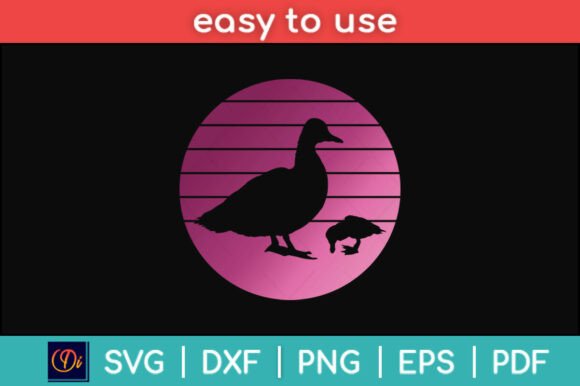
The immediate appeal of the Duck Retro Style Vintage Svg Png File lies in its nostalgic warmth. It doesn’t scream for attention with neon colors or overly complex geometric shapes. Instead, it relies on a classic silhouette that feels grounded and timeless. For an embroidery designer, the simplicity of the shape is a double-edged sword: it offers ease of stitching but demands precision in thread selection to avoid looking flat.
The vintage aesthetic suggests a muted color palette—think mustard yellows, faded teals, and warm creams. This is crucial because embroidery translates color differently than print. A bright yellow on screen might translate to a harsh, synthetic gold thread in polyester. However, the retro style naturally leans toward softer tones, which tend to look more expensive and professional when stitched. The layout is clean, leaving enough negative space around the duck’s outline to prevent the design from feeling cluttered, a common pitfall in small hoop projects.
Real-World Application: From Screen to Stitch
I tested this concept mentally against several common product categories to see where it fits best. The most obvious candidate is the tote bag design. A canvas tote is the perfect canvas for a mid-sized embroidery project. The sturdy fabric supports the weight of the stitches without puckering, and the casual nature of a tote aligns perfectly with the relaxed, vintage vibe of the duck. Imagine a mustard-yellow duck centered on a natural linen bag—it screams artisanal quality.
Another strong contender is sweatshirt embroidery. Hoodies and crewnecks often feature chest-level logos or larger back prints. The retro duck works beautifully as a left-chest logo, offering a subtle touch of personality without overwhelming the garment. The vintage style pairs exceptionally well with heather gray or oatmeal-colored fabrics, creating a cohesive, streetwear-inspired look that appeals to young adults and craft enthusiasts alike.
For custom apparel targeting families, this design has potential in baby embroidery. While ducks are a classic nursery motif, the retro twist elevates it above the typical cartoonish options. It would work well on burp cloths or baby onesies, provided the stitch density is kept low to ensure softness against delicate skin. However, caution is advised here; if the design includes tiny details, they may get lost or become scratchy in a smaller size.
Technical Considerations and Potential Pitfalls
While the visual appeal is high, practical execution requires careful planning. One area where designers must be vigilant is stitch density. If the original vector contains intricate inner details, converting these to embroidery file formats can result in dense clusters of thread that may cause fabric distortion or needle breakage. Before committing to production, always check the digitization plan. If the design relies heavily on fill stitch areas, ensure your machine can handle the thickness without tangling.
Fabric choice plays a significant role in the final outcome. Using this design on stretchy fabric like jersey knit requires a heavy-duty stabilizer to prevent shifting during stitching. On the other hand, textured fabrics like bouclé or thick wool can obscure the finer lines of the duck, making the design look muddy. In such cases, a smooth cotton twill or denim is preferable to maintain clarity.
Another critical factor is thread colors. The contrast between the thread and the base fabric determines legibility. On dark fabrics, using light threads can sometimes result in a "halo" effect if the underlay isn't properly set. Conversely, dark threads on light backgrounds might disappear if the stitch type is too sparse. Always test your thread colors on scrap pieces of your intended fabric before running a full production batch.
Where to Use With Caution
- Small Hoop Sizes: If you attempt to shrink this design too much, fine details may merge into indistinguishable blobs. Stick to minimum sizes that preserve the integrity of the outline.
- Curved Surfaces: Applying this to caps or hats requires careful hooping techniques. The flat nature of the design might not follow the curve of a cap brim well, potentially causing tension issues.
- Thin Fabrics: Delicate materials like silk or thin chiffon are prone to tearing under the stress of multiple needle penetrations. Avoid using this design on fragile textiles.
- Dense Stitch Areas: Large blocks of fill stitch can make finished products stiff and uncomfortable, especially on items like aprons or pillow covers that need to remain soft and pliable.
Commercial Viability and Branding
For Etsy sellers and small shop owners, the versatility of the Duck Retro Style Vintage Svg Png File is its strongest asset. It bridges the gap between hobbyist charm and professional polish. Customers are increasingly drawn to handmade goods that tell a story, and the vintage aesthetic provides that narrative hook. Whether used in holiday embroidery collections or as part of a year-round craft business inventory, the design has broad appeal.
Moreover, the design’s adaptability allows for creative branding opportunities. You can pair it with complementary typography to create a cohesive brand identity for your personalized gifts line. Consistency in style helps build customer trust and recognition, turning one-time buyers into repeat clients. When presenting your finished product in photos, ensure the lighting highlights the texture of the thread, showcasing the craftsmanship involved.
Practical Designer Notes
Before integrating this design into your workflow, consider the following checklist:
- Test on Scrap Fabric: Never skip this step. It reveals issues with tension, color matching, and stability that aren't visible on screen.
- Check Licensing: Confirm whether the file allows for commercial use of the finished product. Some digital assets restrict resale, which could impact your revenue streams.
- Review Stabilizer Needs: Determine the appropriate stabilizer type (cut-away vs. tear-away) based on the fabric and design complexity.
- Inspect Small Details: Zoom in on the vector to identify any tiny elements that might not render well in thread.
- Compare Backgrounds: Create black and white mockups to evaluate contrast and composition without the distraction of color.
In conclusion, the Duck Retro Style Vintage Svg Png File is a solid addition to any designer’s toolkit. Its vintage charm and adaptable layout make it suitable for a wide range of embroidery projects, from personal gifts to commercial merchandise. By paying attention to technical details like stitch density and fabric choice, you can transform this digital asset into a high-quality handmade product that resonates with customers and stands out in a crowded marketplace.