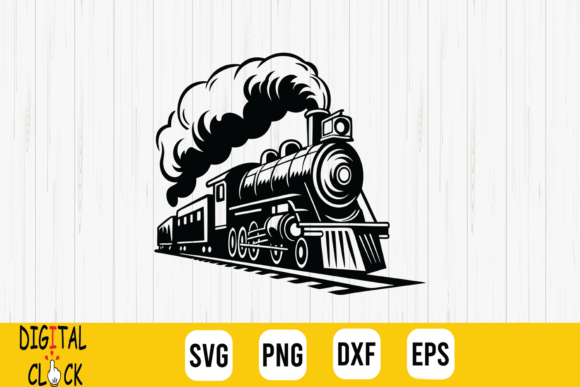
Locomotive Train Retro Train Vector SVG Review
As a designer who spends half my life staring at stitch lines and the other half worrying about client expectations, I don’t just look at a design file; I look at how it will survive the hoop. When Locomotive Train Retro Train Vector SVG landed on my desk, my first instinct wasn’t to admire the vector paths, but to visualize the final stitched product. In the world of machine embroidery, a beautiful graphic can easily become a tangled mess if the density is wrong or the details are too fine for the fabric. This review breaks down whether this retro locomotive design is ready for your next custom apparel project, Etsy listing, or personal gift.
The First Impression: Mood and Visual Personality
The moment you open the file, the vibe is unmistakable. We are dealing with a classic steam train aesthetic that leans heavily into vintage nostalgia. For designers, this is gold because "retro" is evergreen, but it needs to be executed well. The shape of the locomotive feels solid and grounded, which translates beautifully to embroidery. Unlike delicate floral motifs that can look wispy and fragile when stitched, a heavy iron engine has weight. It anchors the garment or accessory it is placed upon.
The visual personality here is rugged yet approachable. It doesn’t scream "corporate logo"; it whispers "handmade heritage." This makes it incredibly versatile. You aren't just selling a picture of a train; you are selling a feeling of adventure, history, and craftsmanship. For an Etsy seller or a small shop product creator, this distinction is vital. Customers buy into the story behind the design, and a steam train naturally evokes stories of journeys past.
Real-World Application: Where This Design Shines
I put this design through its paces in several hypothetical scenarios to see where it truly fits. The Locomotive Train Retro Train Vector SVG is not a one-size-fits-all solution, but it excels in specific niches.
- Custom Apparel and Sweatshirts: This is the sweet spot. A chest-sized placement on a heavyweight cotton sweatshirt allows the design to breathe. The retro style pairs perfectly with muted earth tones, navy blues, or heather greys. It looks like a boutique brand item rather than a mass-produced souvenir.
- Tote Bag Designs: Canvas is a forgiving fabric. The sturdy nature of a tote bag complements the sturdy nature of a steam engine. This works exceptionally well as a central focal point or even as a repeated pattern along the side panels.
- Baby Embroidery and Nursery Decor: Don’t overlook the sentimental angle. A small, simplified version of this locomotive on a baby blanket or a nursery pillow cover adds a charming, timeless touch. It appeals to parents who want decor that isn’t overly trendy and will last through multiple children.
- Embroidered Patches: If the file includes clean edges suitable for applique or dense fill stitches, this makes for a fantastic patch. Think denim jackets, backpacks, or caps. The high contrast typical of retro designs ensures the patch stands out against various fabrics.
Technical Considerations for Embroidery Projects
Here is where we get practical. As a machine embroidery design reviewer, I have to warn you about the technicalities. Not all vector files translate equally well to thread. While the source is a high-quality graphic, the conversion to an embroidery file requires careful attention to detail.
Stitch Density and Detail: Steam trains have intricate components—wheels, pistons, smokestacks, and cab windows. If the digitizer hasn’t simplified these elements enough, you risk having tiny, unrecognizable blobs of thread after stitching. Always check the stitch density. If the design is too dense, it will feel stiff and heavy on the finished product. If it’s too sparse, it might look thin and lack impact. Look for a balance where the main silhouette is defined by bold fill stitch areas, while finer details use efficient satin stitch or running stitch.
Hoop Size and Placement: Ensure the design dimensions fit your standard hoop sizes. A large, detailed locomotive might require a 7x10 inch or larger hoop. Trying to force a large design into a small hoop can result in clipping or awkward scaling. Conversely, if you are making a personalized gift like a keychain or a small jar coaster, this design might be too complex. Scale matters immensely in embroidery.
Fabric and Thread Choices
The success of this project hinges on your material choices. Because the design is retro, it begs for texture. Avoid slick synthetics unless you are using a stabilizer specifically designed for them. Cotton, linen, and denim provide the best grip for the thread. Regarding thread colors, stick to a cohesive palette. A classic black and white scheme with a splash of red for the train accents works wonders. Or, try a monochromatic approach using different shades of grey to create depth without overwhelming the eye.
Where to Use It Carefully
There are pitfalls. Do not attempt this design on stretchy fabric like thin jersey knits without proper stabilization, as the weight of the train could cause puckering over time. Similarly, avoid placing it on textured fabrics like bouclé or heavy wools where the thread might get lost in the nap of the material. Also, be cautious with curved surfaces like baseball caps. Unless the design is specifically digitized for curvature, a flat vector layout might distort when wrapped around the front panel.
Final Verdict for Craft Business Owners
For the craft business owner, Locomotive Train Retro Train Vector SVG is a strong asset. It offers high perceived value. People love buying things that look artisanal. If you present this on a printable mockup with good lighting and styling, it will stand out in a crowded marketplace. It signals professionalism and taste.
However, always remember to test the design on scrap fabric first. Check the thread color contrast. Inspect the small details under magnification. Confirm the licensing terms before selling any finished product or digital assets. If the digitization is clean, this design has the potential to become a staple in your catalog for years to come. It captures a mood that resonates deeply with customers looking for something authentic in a digital world.
In summary, this is more than just a graphic; it’s a foundation for a compelling handmade product. With the right fabric, thread, and digitization care, it transforms from a simple vector into a treasured piece of wearable art or home decor.