Parking in God Plan Only Review
When I’m evaluating a new machine embroidery design for my studio, I don’t just look at the graphic; I look at how it will behave under the needle. Too many designers jump straight into production without considering the practical realities of stitching, fabric interaction, and end-user appeal. That is exactly why I am taking a closer look at "Parking in God d Plan Only, on a Mission." This piece falls squarely into the Crafts and Graphics categories, specifically targeting the growing market for sarcastic, faith-based, and retro-styled accessories. But does it hold up as a viable asset for serious embroidery work? Let’s break it down.
The First Impression: Mood and Visual Personality
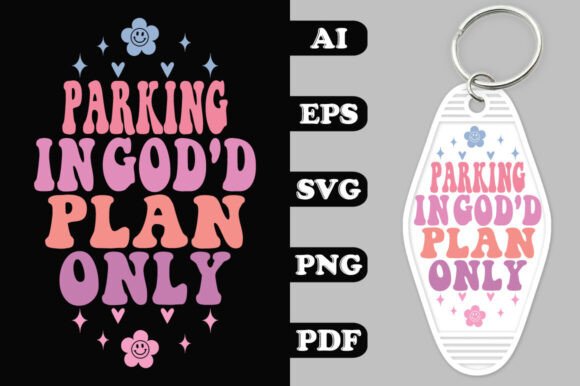
The moment you load this file, the vibe is immediately clear. It taps into that specific intersection of humor and spirituality that has become incredibly popular in the handmade community. The phrase "on a mission from god" paired with a parking theme creates an instant narrative. It’s not just text; it’s a statement. For a designer, this kind of personality is gold because it drives engagement. Customers don’t just buy a keychain or a tote bag; they buy into the attitude.
Visually, the layout suggests a retro aesthetic, likely drawing from mid-century motel signage or vintage travel graphics. This style translates beautifully to embroidery because it relies on bold shapes and clear typography rather than subtle gradients. However, the success of this embroidery project hinges entirely on how those details are digitized. If the lettering is too thin or the decorative elements are overly complex, the design will lose its punch once stitched. My initial assessment is that this design aims for high recognition and quick readability, which is essential for small-format items like keychains or hat patches.
Real-World Application: Where Does This Fit?
In my experience, the best handmade products are those where the design and the product form factor make logical sense. "Parking in God d Plan Only" feels most natural on items that serve as personal identifiers or conversation starters. Here is how I see this playing out in actual production scenarios:
- Custom Apparel and Accessories: This design would shine on a structured canvas tote bag. The sturdy fabric can handle the stitch density without puckering, and the large surface area allows the full message to breathe. It also works exceptionally well on a baseball cap or trucker hat, placed centrally on the front panel. The retro vibe pairs perfectly with denim or neutral-colored caps often found in boutique collections.
- Kitchen and Home Goods: Don’t overlook tea towels or kitchen aprons. A smaller version of this motif embroidered on the pocket of a chef’s apron adds a touch of whimsy to a functional item. Similarly, on a thick cotton tea towel, the contrast between the thread and the fabric can make the text pop in a way that feels cozy yet edgy.
- Baby and Nursery Items: There is a surprising market for faith-based humor in baby gifts. Embroidering this on a burp cloth or a small muslin blanket can be a hit for baby showers. The key here is scaling appropriately so the design remains cute rather than cluttered.
- Digital Product Previews: As a digital embroidery file, this asset is valuable for sellers who create printable mockups. The strong graphic nature makes it easy to visualize on various backgrounds, helping Etsy sellers and small shop owners showcase their wares effectively before the physical item is even made.
Technical Considerations and Stitch Performance
As an experienced reviewer, I have to address the technical side. How does this design perform when it comes off the screen and onto the hoop? The primary concern with any text-heavy embroidery file is stitch clarity. If the design uses too much satin stitch on narrow letters, the threads may overlap, creating a muddy appearance. Conversely, if it relies too heavily on running stitch for outlines, the result might look sparse on textured fabrics.
I recommend testing this design thoroughly on scrap fabric before committing to a final product. Pay close attention to the stitch density. Areas with dense fills can cause issues on thin or stretchy fabrics, leading to distortion. If you are planning to use this on a sweatshirt or a hoodie, ensure you are using a proper cut-away stabilizer to support the weight of the stitches. On lighter fabrics, such as a linen shirt or a sheer curtain, the backing might show through, ruining the clean look of the finished product.
Another critical factor is thread color contrast. Because this design likely features dark or bold text against a lighter background (or vice versa), getting the right thread combination is vital. I always suggest running a black-and-white mockup test to check legibility. If the design loses its impact when stripped of color, it will struggle in monochrome thread setups. Also, inspect the small details—especially if there are any decorative icons related to parking or missions. Tiny details often get lost in the stitching process, so you need to verify that every element remains distinct after hooping.
Where to Exercise Caution
While this design has strong potential, there are specific scenarios where it should be used carefully:
- Small Hoop Sizes: If you are working with a 4x4 inch hoop, ensure the design fits comfortably without being cramped. Crowding the edges can lead to trimming errors and uneven tension.
- Textured Fabrics: Materials like boucle, heavy tweed, or nubby knits can hide fine details. On these surfaces, simpler designs with thicker stitches tend to perform better.
- Curved Surfaces: Embroidering on the curved crown of a cap requires precision. If the design is too wide or has sharp corners that don’t follow the curve, it may look distorted. Always use a cap frame and adjust the design placement accordingly.
- Frequent Washing: For items like aprons or dishcloths that undergo frequent laundering, ensure the design is anchored well. Loose threads or poor edge finishes can unravel over time, affecting the longevity of the finished product.
Impact on Brand and Customer Trust
For craft business owners, the quality of your embroidery directly impacts customer trust. A sloppy execution of a funny design can make a brand look amateurish. However, a crisp, well-executed version of "Parking in God d Plan Only" signals professionalism. It shows that you care about the details, even when the subject matter is lighthearted. This balance is crucial for building a loyal customer base that appreciates both humor and quality.
Furthermore, this design has high giftability. It fits naturally into holiday gifting, bridal showers (for the quirky bride), or corporate retreat swag. By offering a personalized gift option—perhaps adding a name or date alongside the main motif—you increase the perceived value of the item. This is especially effective for commercial embroidery projects where bulk orders are common.
Final Verdict and Practical Notes
"Parking in God d Plan Only, on a Mission" is a strong contender for designers looking to add personality to their inventory. Its retro charm and relatable message make it versatile across multiple product categories, from tote bag design ideas to sweatshirt embroidery projects. However, its success depends on proper digitization and fabric selection.
Before you start mass-producing, remember to:
- Test on various fabric types to check for puckering or distortion.
- Verify thread colors for optimal contrast.
- Check licensing terms if you plan to sell finished items commercially. While the design itself is a graphics asset, ensuring you have the right rights to produce and sell the final merchandise is non-negotiable.
- Consider the target audience. This design appeals to those who appreciate dry humor and faith-based references, making it ideal for niche markets but perhaps less universal than plain geometric patterns.
If you execute this design with care, paying attention to thread colors, fabric texture, and proper stabilization, it can become a standout item in your small shop product lineup. It’s not just another quote; it’s a conversation starter that, when done right, reflects well on your craftsmanship. Happy stitching.